The 6th Annual David Partridge Memorial Big Bass Tournament

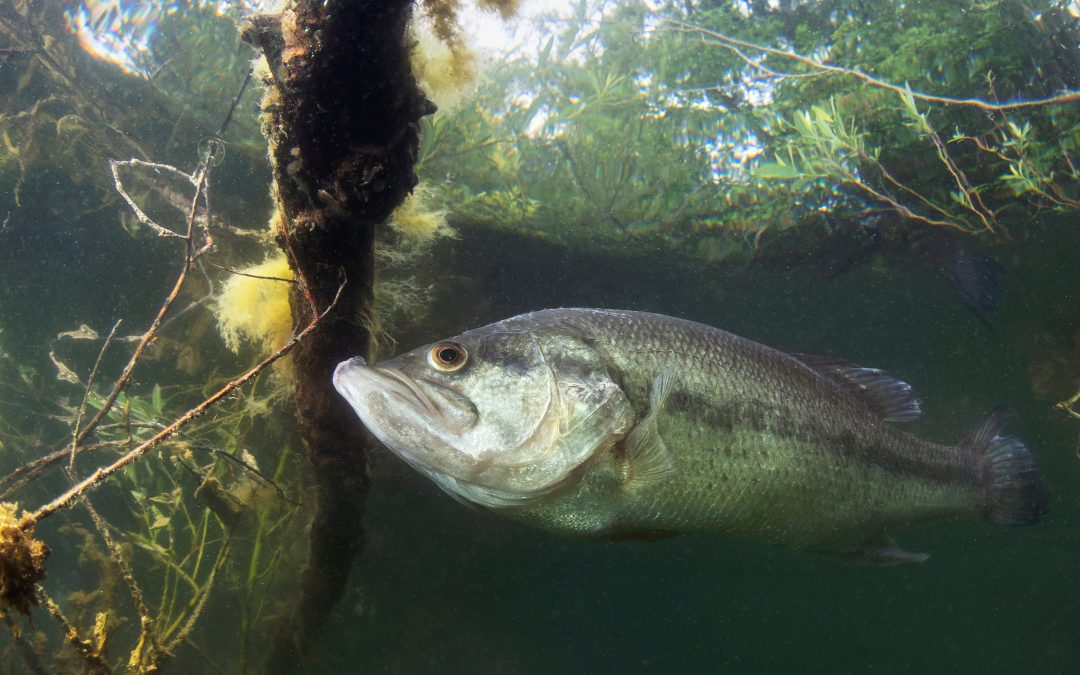
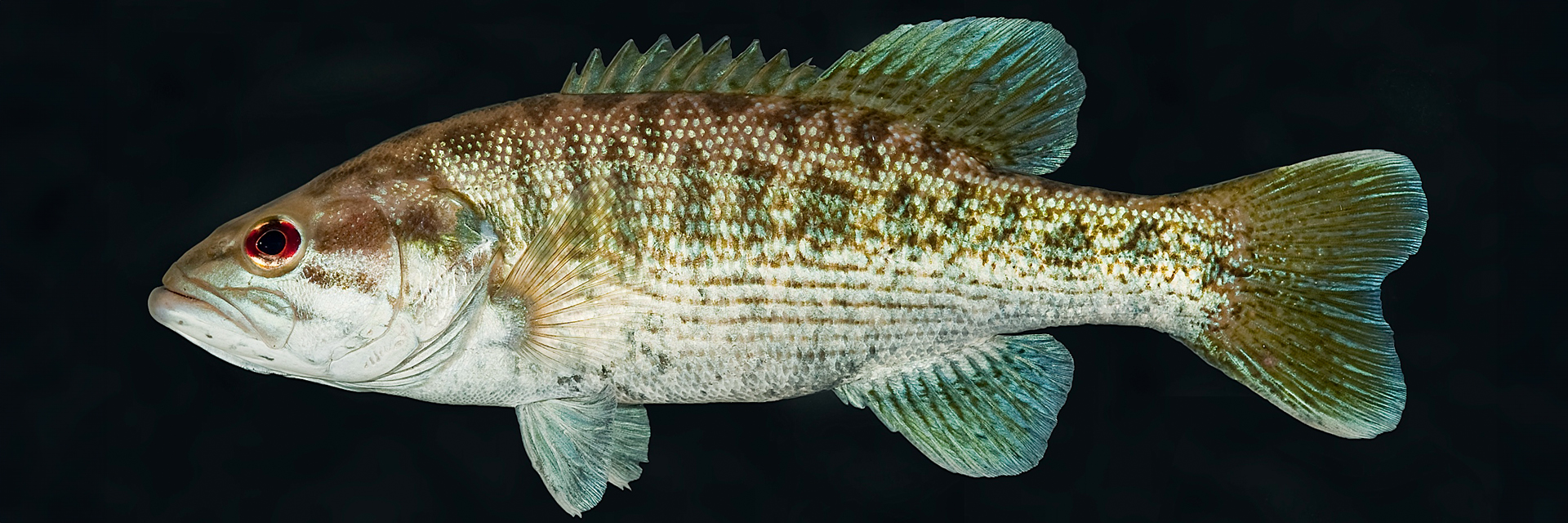
The 6th Annual David Partridge Memorial Big Bass Tournament will be held Saturday, May 5 at the North Station research ponds.  Anyone associated with the AU fisheries department is welcome and may bring friends or family.  Several of the ponds will be open for fishing and the largest bass and bream will win a nice rod/reel combo.  The fish caught during the tournament will be fried that evening.  Please be at the pavilion on county road 46 by 12:30PM.  The fee to attend this event is $25 per person over 16.  Boats are welcome.


This event is in memory of David Guy Partridge who died in 2007.  David was a masters student in Sport Fisheries Management at Auburn and served 10 years as a fisheries biologist for Georgia DNR.  David’s contribution to the fisheries management in Georgia was outstanding.  David was also an avid

outdoorsman who respected the natural resource and understood the importance of conservation and its education.  David was also a competitive fisherman and loved fishing tournaments!


All proceeds from this tournament will go to the David Partridge Memorial Endowment at Auburn University.  This endowment generates an annual award that is available to fisheries graduate students studying the conservation and management of recreational fisheries.  Last year’s tournament generated $2,250 for the endowment.  Lily Wilson, daughter of Dr. Alan Wilson, caught the big bass, 6 lbs and

14 ounces!

Come join us this year to fellowship with the AU fisheries family and enjoy a fun day fishing the ponds.  Registration forms must be filled out and returned by April 30.  If you have any questions about the event, call Graves Lovell at 334-312-3166.


Job Creation Chief Goal of Auburn's New Aquaculture, Fisheries Institute

AUBURN, Ala.—A new research and outreach institute focused on stimulating economic growth in Alabama and the Southeast by strengthening and expanding the region’s domestic aquatic and fisheries industries has been established within the Alabama Agricultural Experiment Station under the leadership of Auburn University’s world-class Department of Fisheries and Allied Aquacultures.

As approved by the university’s Board of Trustees at its Feb. 3 meeting, the interdisciplinary Aquaculture and Fisheries Business Institute is charged with finding efficient solutions to the production, economic, quality, logistical and marketing problems standing between the region’s aquatic enterprises—including freshwater, saltwater and recreational fisheries—and growth.

The ultimate goal: to encourage business development and create jobs in an industry currently battling a flood of foreign imports and soaring input and fuel costs.

Building on Auburn’s unparalleled expertise in fisheries and the Southeast’s existing aquaculture industry and abundant water resources, the institute will bring together experts in multiple disciplines from within the College of Agriculture and from five other colleges and schools on campus as well as from other universities and the private sector to tackle the needs and explore the opportunities that exist for aquaculture and fisheries businesses statewide and regionally.

The institute initially will be led by three fisheries and allied aquacultures faculty members at Auburn—professor emeritus John Jensen and associate professors and Extension specialists Jesse Chappell and Terry Hanson. They will serve as part-time co-directors until a permanent part-time director is found.

In essence, the new entity is an expansion of “Pond to Plate,” a project the College of Agriculture’s fisheries and allied aquacultures department, working with the Auburn Technical Assistance Center in the College of Business, initiated in 2009 to improve the efficiency and profitability of Alabama’s catfish industry by reducing waste at every level of the value stream. The project has hinged on the application of “lean manufacturing” strategies to the entire catfish industry. Lean manufacturing, a management philosophy developed by Japan’s automotive industry, takes a big-picture view of the entire process of moving a product from the producer to the customer and cuts any steps and activities that are unnecessary to the process.

“Lean manufacturing is about eliminating waste to reduce costs, improve quality and deliver to consumers the products they want at competitive prices, all with minimal environmental impact,” Jensen said. “It’s the pursuit of perfection.”

That Pond to Plate is making a difference can be found in the growing number of producers who are adopting in-pond raceway production systems, which offer such advantages as higher stocking densities and better inventory control, and who are transitioning from channel catfish to AU Hybrid, a fast-growing, feed-efficient and disease-resistant catfish Auburn researchers released in 2005.

Pond to Plate also has led to significant grant and contract awards since its inception, and David Rouse, Department of Fisheries and Allied Aquacultures head, expects that to continue through the institute.

“Our department has always worked with the state’s aquaculture and seafood industries, but traditionally, we focused on specific problems,” he said. “In recent years, we came to realize that the issues were complex and that we needed to take a much broader view and build teams of individuals with diverse backgrounds to address those issues.

“The result was Pond to Plate, which is having such positive impacts on our catfish industry that we’re ready to apply the same principles to related industries in our state and region,” Rouse said. “Auburn’s Aquaculture and Fisheries Business Institute will give us this opportunity.”

The Alabama Ag Experiment Station is funding the institute for its first three years, during which the three co-directors will focus on securing backing from private clients, commodity groups, stakeholders and state and federal research and education programs so the institute ultimately will be supported 100 percent by extramural dollars.

Bill

Batchelor, AAES director and dean of the College of Agriculture, said the institute falls in line with the experiment station’s research mission and Auburn’s land-grant charge of providing research, education and outreach.

The Alabama Agricultural Experiment Station, established in 1883 and headquartered at Auburn University, fosters and conducts basic and applied scientific research in the agricultural, biological, environmental, food and human sciences and provides scientifically sound information to support the state’s ag industries and businesses and to improve the quality of life for all Alabamians.

# # #

OFFICE OF AG COMMUNICATIONS & MARKETING
Auburn University College of Agriculture
Alabama Agricultural Experiment Station
3 COMER HALL, AUBURN UNIVERSITY
AUBURN, AL 36849
334-844-4877 (PHONE) 334-844-5892 (FAX)
AgComm@auburn.edu

Oyster production could rise with new method

By: Nikki Buskey – Staff Writer – dailycomet.com

HOUMA — Gulf of Mexico researchers hope a new oyster-farming technique will make the Louisiana industry more productive and get oystermen back to work more quickly after crops were wiped out during the Gulf of Mexico oil spill.

As much as 50 percent of Louisiana’s oyster crop was wiped out this summer not by oil, but by freshwater diversions opened up by the state to attempt to flush oil out of wetlands east of the Mississippi River and in Barataria Bay.

Researchers John Supan, with the Louisiana Sea Grant and LSU AgCenter, and Bill Walton, with Auburn University, aim to get Louisiana to adopt off-bottom oyster culturing methods to supplement the state’s traditional harvest. They say the method produces more efficient and faster harvests.

“I think it’s a part of the future of the Louisiana oyster business,” said Mike Voisin, owner of Motivatit Seafood in Houma and a member of the state’s Oyster Advisory Committee. “As we move forward with these coastal-restoration projects, I think it will allow us to grow faster and more productively.”

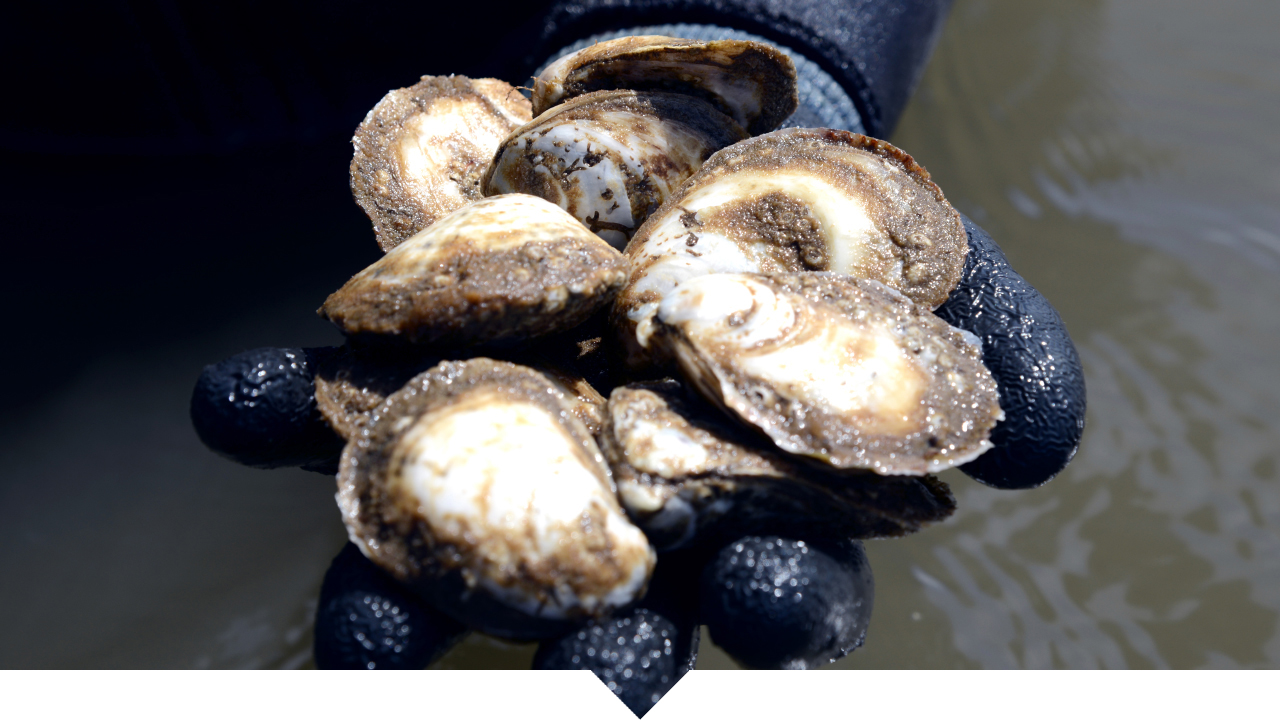
Traditionally, oysters are grown and harvested on reefs on the water bottom. Oyster larvae must attach to a hard surface on the bottom and build up their reefs. But oyster crops actually grow faster and more successfully when they’re suspended and grown on structures high in the water column because they’re better protected from predators that typically pick off an oyster crop. They’re also exposed to a better water flow, and the oysters feed better and their risk of being fouled by sediment or algae growth is reduced.

“We’re a bottom-farming community now, but what you get is what’s left. We’re getting the crumbs on the bottom and we still get a lot of oysters,” Voisin said.

Many other states and countries that farm oysters have already employed the technique, Voisin said.

Oysters that would typically take two to three years to grow to market size can be grown in one year with off-bottom culture, Voisin said.

“Through proper planning, off-bottom culture can work in harmony with other water uses and users,” Supan said. “It can support both part- and full-time incomes, just like natural fisheries, but with greater control over the natural variability that dominates bottom harvesting.”

The project developing off-bottom oyster cultivation began before the Deepwater Horizon spill, but with the major effects the freshwater wipeout had on the oyster industry, the researchers said it’s cultivated more interest in the project.

“We have received more calls and questions about oyster farming in the last four months than we have combined over the prior 12 months,” Walton said. “The spill has created a window of opportunity where traditional oystermen are eager, even desperate, to find ways to get back to working on the water as soon as possible.”

Voisin added that the new farming techniques will aid oystermen as the state moves forward to curb coastal erosion and build major freshwater diversions that will change salinities in most of the major basins and make oyster farming impossible in some traditional areas. That’s because it’s possible the off-bottom oyster growing structures could be mobile, and they could be moved when freshwater diversions are turned on because the river is high, Voisin said.

The spill has also created a source of money to implement the oyster cultivation program, Voisin said. Instead of just seeding and rehabilitating traditional oyster grounds, the state can research productive new techniques to catch Louisiana up with the rest of the country.

“Catastrophe causes change,” Supan said. “The challenge is to direct change to improve conditions, not to settle for status quo. This project will attempt to do just that.”

Both the Auburn University Shellfish Laboratory on Dauphin Island, Ala., and the Sea Grant Bivalve Hatchery at the Louisiana Department of Wildlife and Fisheries Marine Research Laboratory on Grand Isle will provide oyster seed for the project. Wildlife and Fisheries officials are also working with Plaquemines Parish to develop plans for a facility that would raise oysters to larval stage, called an oyster “spat,” to be used by the industry to help promote oyster growth.

A series of workshops are planned for 2011 and 2012 to teach oystermen the new technique, addressing issues such as appropriate culture systems, oyster seed stock, growing market-quality oysters and developing practices and regulations in collaboration with state agencies. For more information, contact Supan at jsupan@lsu.edu or Walton at billwalton@auburn.edu.

Seafood interests post big week

By: Jeremy Alford – Capitol Correspondent – dailycomet.com

BATON ROUGE — From new federal programs for aquaculture to an upstart business model for oyster harvesters and surprising data on imported catfish, there was no shortage of gains this week for commercial seafood interests.

For starters, small aquaculture businesses — oysters, crawfish and the like — are now eligible for special loans from the federal government.

More specifically, portions of the Small Business Jobs Act of 2010 are going on the books, including an Economic Injury Disaster Loan program known as EIDL.

In the 1980s, Congress repealed Small Business Administration disaster assistance for all agricultural businesses.

SBA was prohibited from providing assistance to these industries as it was assumed that they would always be covered by other federal agencies like the U.S. Department of Agriculture.

However, recent Gulf Coast disasters have demonstrated gaps between USDA and SBA disaster assistance, said Sen. Mary Landrieu, a New Orleans Democrat who chairs the Senate Committee on Small Business and Entrepreneurship.

For example, in 2005 south Louisiana was hit hard by both hurricanes Katrina and Rita.

Aquaculture businesses, meaning many crawfish farmers or those with fish farms, were ineligible for both USDA disaster assistance and SBA disaster loans.

More recently, oyster farmers were ineligible for the EIDL program following the Deepwater Horizon oil disaster.

“Disasters can and will strike at any moment,” Landrieu said. “We must ensure that the federal government is better prepared and has the tools necessary to respond quickly and effectively following a disaster.”

She added that this “common-sense fix,” included in the jobs act bill, will clear up federal law to now give small aquaculture businesses a lifeline if they are hit by a disaster.

“Never again will they be told they are ‘too agricultural’ for SBA and ‘not agricultural enough’ for USDA,” Landrieu said. “Louisiana businesses know too well the bureaucracies that stand in the way when disaster strikes, and this clarification puts the SBA in a better position to support them in the future.”

In related aquaculture news, the Louisiana Department of Wildlife and Fisheries unveiled a new oyster farming initiative Wednesday that is flourishing in the northern Gulf of Mexico.

A collaboration between researchers from Louisiana State University and Auburn University, it focuses on off-bottom oyster culture to supplement the traditional harvest.

Historically, oysters are grown on and harvested from reefs on the water bottom. In this new process, oysters are grown suspended in the water column.

Benefits of this new oyster farming technique include increased productivity, job creation and continued production of a safe, sustainable domestic oyster supply, according to John Supan, an oyster specialist with Louisiana Sea Grant and LSU AgCenter, and Bill Walton, Auburn University aquaculture and fisheries specialist.

Off-bottom culture also protects oysters from predators, provides a means to reduce fouling and allows complete harvests of planted oyster seed, a major advantage over traditional oyster harvesting.

LDWF’s Fisheries Research Laboratory in Grand Isle provides research and hatchery space to researchers from the Louisiana Sea Grant program.

Department officials are also working with local officials in Plaquemines Parish to develop plans for a facility, which would provide space for oyster spat to develop before they are utilized by industry.

“This could be an important addition to a traditional coastal industry,” Walton said. “It’s clean, green and energy efficient. And it provides business opportunities to those already in the oyster industry as well as other coastal residents.”

A series of workshops are being planned for 2011 and 2012. They will address issues such as appropriate culture systems, oyster seed stock, growing market-quality oysters and developing practices and regulations in collaboration with state agencies.

Finally, there’s new data out this week on the safety of seafood from overseas.

According to an investigation broadcast by the NBC Today Show Wednesday, the U.S. Food and Drug Administration’s inspection system for imported seafood is so weak that many Americans are eating foreign catfish and other seafood tainted with chemicals that could cause cancer, birth defects and other serious health problems.

NBC aired video showing “dirty sewage water used to raise seafood in Vietnam — the fish pumped with toxic antibiotics and banned drugs just to keep them alive, boosting production and driving down costs.”

It also reported that although 80 percent of the fish consumed in America is raised overseas, the FDA inspects only two percent of all imports.

The U.S. Congress approved legislation almost 2 1/2 years ago that would provide much greater protection for American consumers by shifting inspection and regulation of catfish from the FDA to the U.S. Department of Agriculture, which has more stringent inspection and safety programs.

The Obama administration has yet to enforce the new protections.

“The administration’s refusal to act is all the more shocking because of President Obama’s repeated claims that consumer safety is one of the highest priorities of his administration,” said Joey Lowery, president of the Catfish Farmers of America. “The U.S. catfish industry welcomes these tougher standards and protections which would apply to all catfish — domestic and foreign.”

Regional seafood groups like the Southern Shrimp Alliance and the Louisiana Shrimp Association have long sought stricter testing and regulation of foreign, farm-raised shrimp.

View the full NBC Today Show news investigation at this link:

http://today.msnbc.msn.com/id/26184891/vp/40230853#39964945

For more information on the new oyster harvesting process, contact Supan at jsupan@lsu.eduor Walton at billwalton@auburn.edu.

Researchers: Grow oysters in suspended bags

oanow.com

BATON ROUGE, La. — LSU and Auburn University researchers say a new approach to growing oysters — in mesh bags strung between posts — could boost harvests and create jobs.

The “long-line system” is used to grow oysters commercially in Australia and now it is being used at the Fisheries Research Laboratory in Grand Isle.

John Supan, an oyster expert with the Louisiana Sea Grant College Program, said the technique could allowLouisiana commercial fishermen to become oyster farmers or help existing oyster farmers to increase their businesses.

Oysters can be grown in salty water when they are strung from posts because they are out of reach from predators like oyster drills and black drum, which lurk on the bottom where oysters grow naturally.

The oysters in the research project reach market size in around 15 months, compared to two to three years for reef-grown oysters, Supan said. That’s because the research project oysters are sterile and more of theirenergy goes into growth than reproduction.

The survival rates for the bag-grown oysters are much higher than for reef oysters, Supan added. Close to 100 percent of the seed oysters in the bags survive, compared to roughly a third of that, at best, for reef-grown oysters.

Bill Walton, an Auburn University aquaculture and fisheries specialist, said “off-bottom” culture could be an important addition to the traditional oyster industry.

“It’s clean, green and energy-efficient,” Walton said.

Supan wants to work with the Louisiana Wildlife and Fisheries Department and other state agencies to create zones for aquaculture parks or marine enterprise zones, areas of water designated for this specific use.

“It’s like applying industrial park concepts to the water,” Supan said.

In designating the marine enterprise zones, state agencies would take into account coastal restoration plans, the locations of pipelines and wells, wildlife refuges, and areas affected by pollution, Supan said.

Coastal communities would then hold town hall meetings to decide if they want to put in the aquaculture parks, Supan said.

“So you know, the shrimpers could come in and say, ‘Well, let’s not put it there. That’s where I push for shrimp,’” Supan said.

“The ideal entity to start up an aquaculture park is a port commission, in my opinion,” Supan said. “That’s because port commissions are responsible for private navigational aids in their region. They’re responsible for economic development, and they’re made up of local people that the governor appoints.”

203 Swingle Hall | Auburn, Alabama 36849 | (334) 844-4786 |
Website Feedback | Privacy | Copyright ©